How Social and Economic Support Uplifts Communities: A Practical Approach in Uganda
Uganda, a nation rich in culture and natural resources, faces the stark reality of widespread poverty. Many families struggle daily to meet basic needs, and children, who hold the future of the country, are often the most affected. Yet, amid these challenges, there is hope—hope that comes from the power of social and economic support. These lifelines can uplift entire communities, providing the tools and resources for families to build a brighter future.
Let’s explore how social and economic support plays a transformative role in improving the lives of individuals, families, and communities across Uganda.
Understanding the Social and Economic Landscape in Uganda
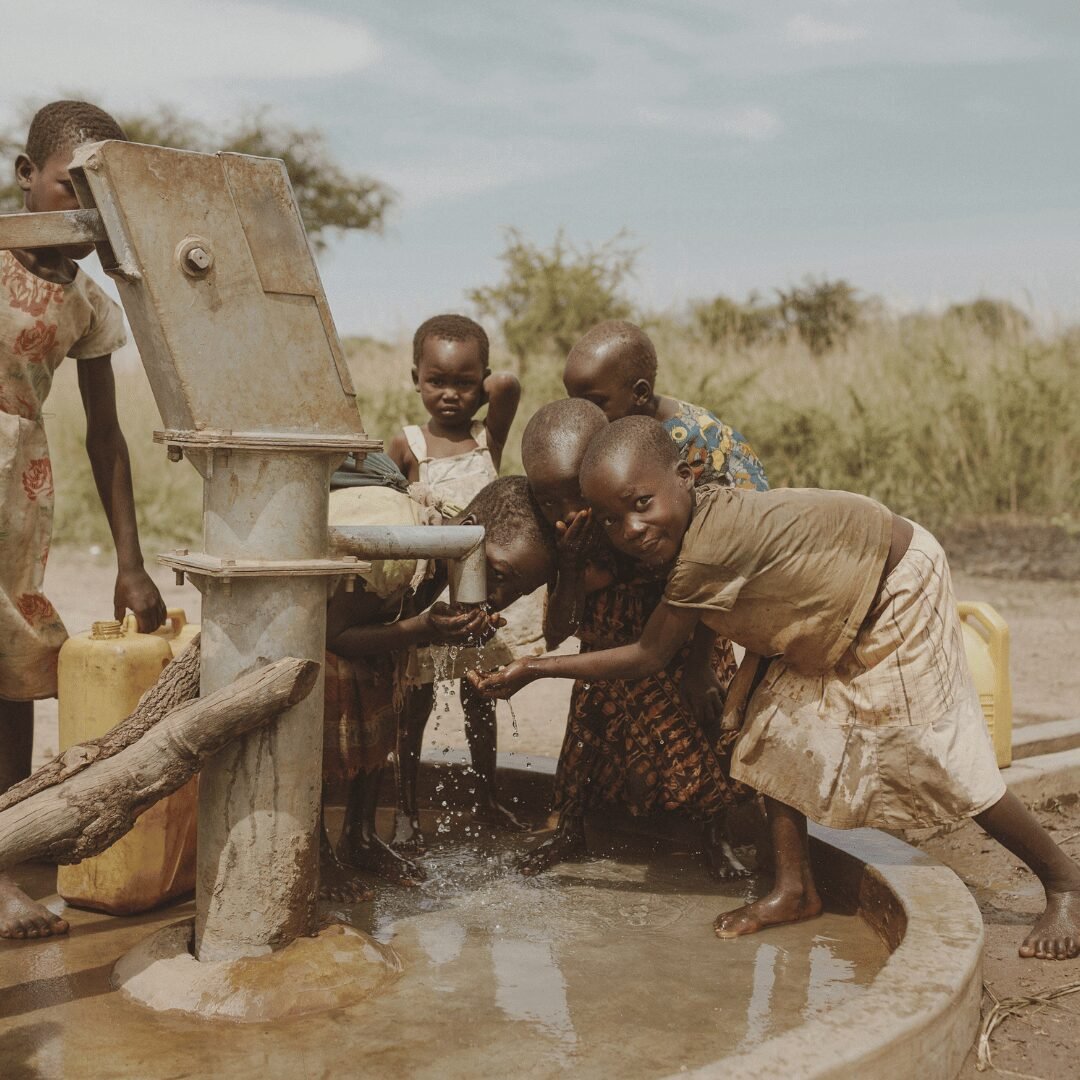
Poverty in Uganda is still rampant, especially in rural areas and densely populated suburbs around cities like Kampala. Many families in these areas live below the poverty line, lacking access to adequate healthcare, education, clean water, and economic opportunities. Without intervention, this cycle of poverty often continues across generations.
Social and economic support is crucial in addressing these challenges. When communities receive emotional and financial assistance, they are better equipped to break the cycle of poverty, improve their quality of life, and empower future generations.
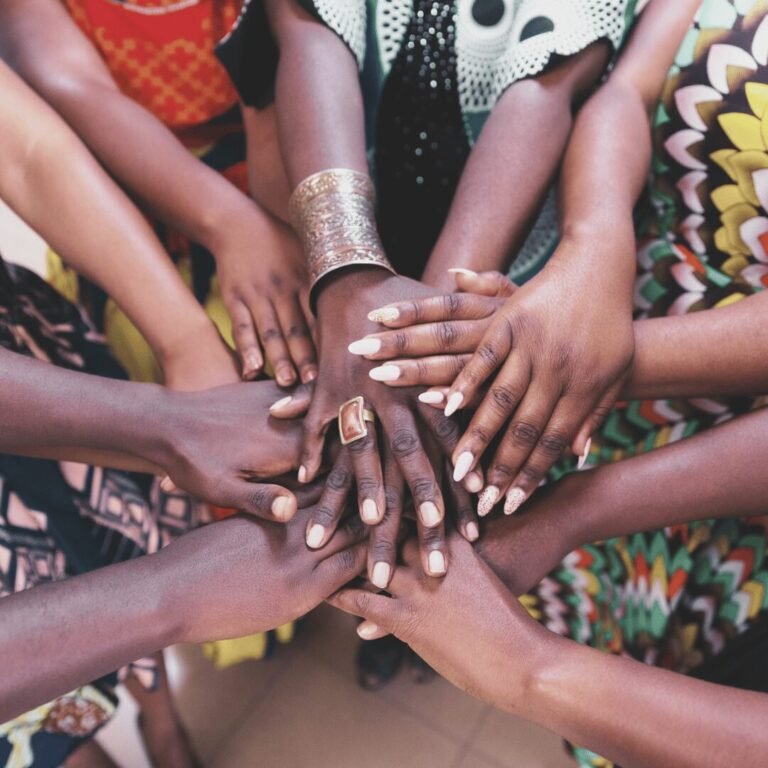
At the heart of every strong community is a network of social support. In Uganda, where extended families and community bonds have traditionally played a vital role in everyday life, social support is crucial for fostering resilience. When families face challenges like illness, unemployment, or the loss of a breadwinner, social networks offer a safety net.
The Role of Social Support: Fostering Emotional and Community Resilience
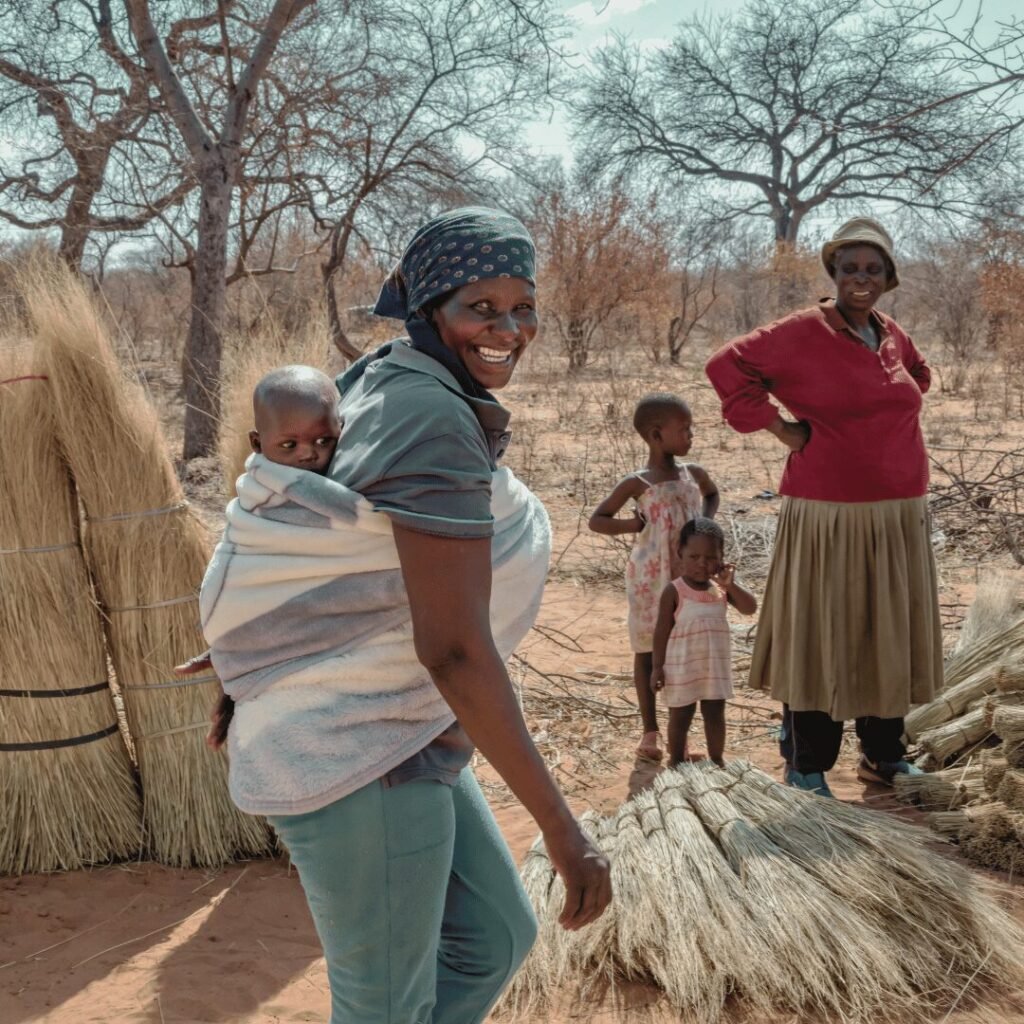
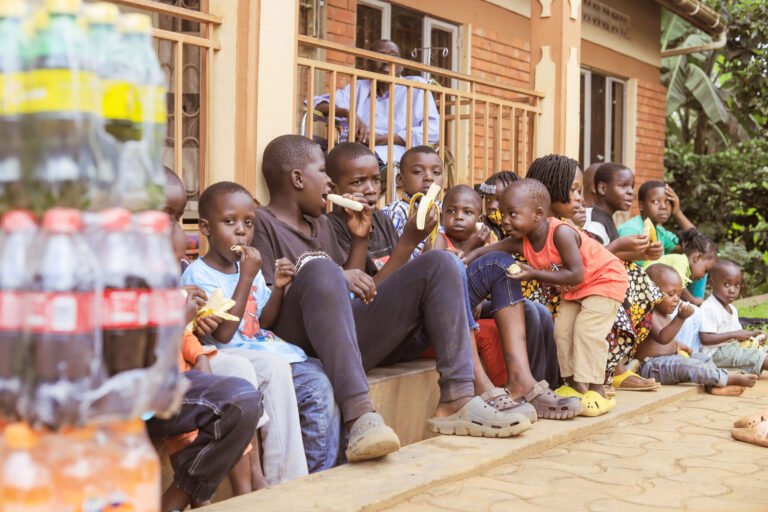
For instance, the presence of non-governmental organizations (NGOs) like Joan Alinda Homes for the Vulnerable and community-based organizations that provide counselling, mentoring, and peer support creates a foundation of emotional security. Social support helps families feel connected, reducing the sense of isolation that often accompanies poverty. Moreover, when families know they are not alone in their struggles, they become more resilient and better able to overcome challenges.
While social support strengthens emotional bonds, economic support lays the foundation for sustainable change. In Uganda, many families have the desire to improve their economic situation but lack the means to do so. Economic empowerment initiatives, such as small business grants, vocational training, and access to micro-loans, provide families with the tools they need to achieve self-sufficiency.
The Intersection of Social and Economic Support: A Holistic Approach
For true community upliftment, social and economic support must go hand in hand. Providing financial aid without addressing emotional and social challenges can lead to short-term gains but may not be sustainable. Similarly, offering only social support without economic opportunities limits families’ ability to thrive.
This is why holistic programs that integrate both aspects are so impactful. An excellent example is community-led development projects where families receive vocational training along with life skills education. These programs not only teach income-generating skills but also build confidence, self-reliance, and resilience.
In the outskirts of Kampala, a local NGO runs a program that provides both economic empowerment and family counseling. Participants receive training in crafts and agriculture while also attending group sessions on family planning, conflict resolution, and parenting. Families that complete the program not only improve their financial situation but also report stronger family relationships and better emotional well-being.
The Ripple Effect: How Uplifting One Family Transforms Communities
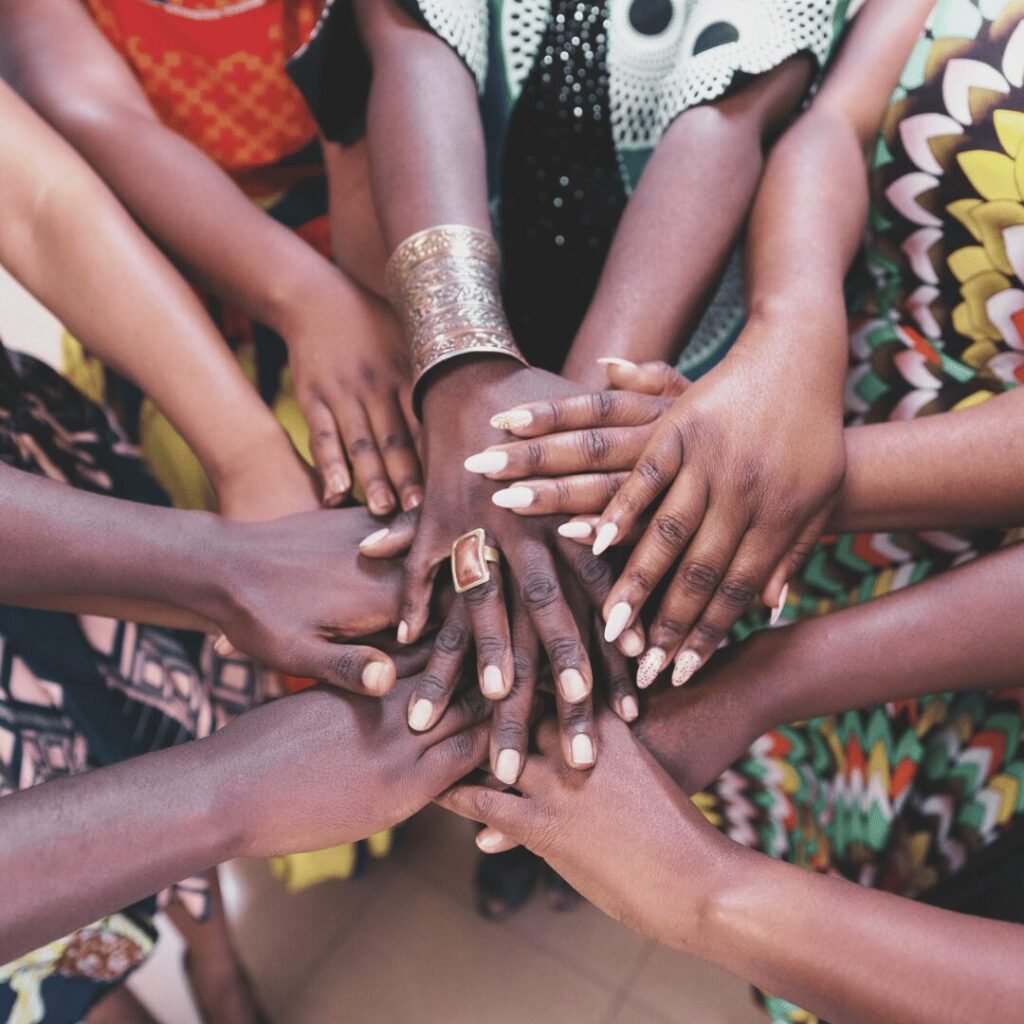
When one family is supported, the impact extends far beyond their household. Social and economic support creates a ripple effect that spreads throughout the community. As more families gain access to financial independence, education, and emotional security, entire communities become more resilient.
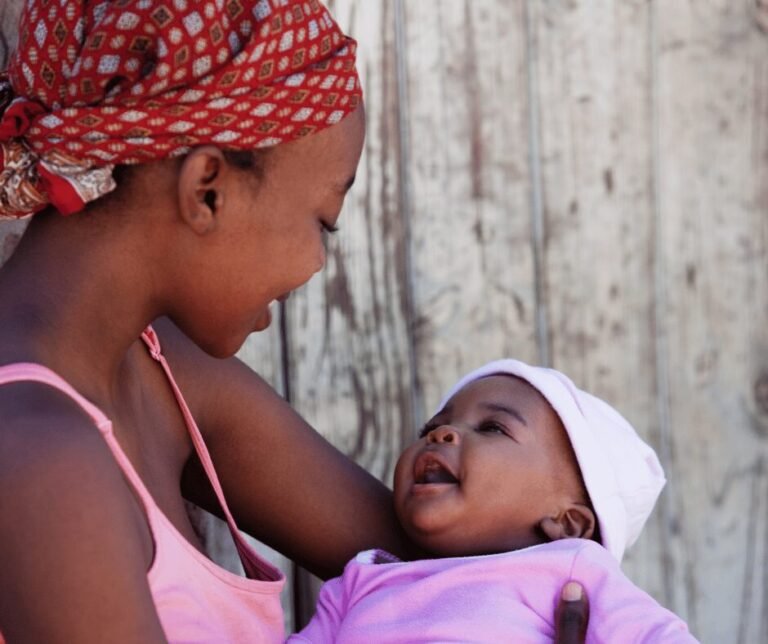
For instance, children in supported families are more likely to attend school and stay in school longer. This leads to a more educated population, which in turn creates a workforce better equipped to meet the needs of the economy. Moreover, as families gain economic stability, they are more likely to invest in local businesses and contribute to the growth of their communities.
Challenges and the Path Forward
While the benefits of social and economic support are clear, challenges remain. Limited resources, bureaucratic obstacles, and cultural barriers can sometimes hinder the effectiveness of support programs. However, with a commitment to innovation and collaboration between government, NGOs, and local communities, these challenges can be overcome.
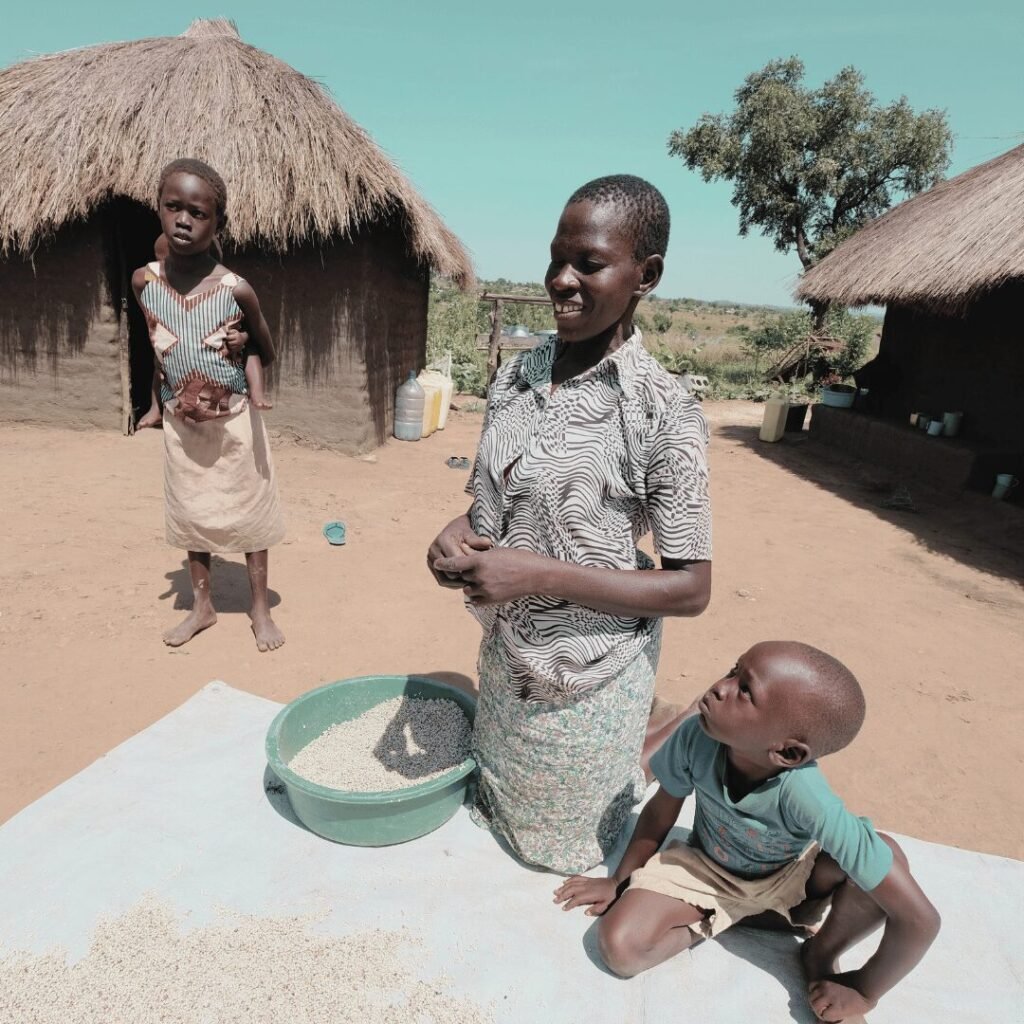
Uganda has made significant strides in expanding access to social and economic support, but there is still much work to be done. Moving forward, it is essential to continue investing in community-driven initiatives, particularly in rural and underserved areas. By fostering a spirit of collaboration, we can ensure that the benefits of social and economic support reach the families and children who need it most.
Conclusion: A Brighter Future for Ugandan Communities
Social and economic support has the power to uplift communities across Uganda. When families receive the resources and guidance they need, they are better equipped to break the cycle of poverty, strengthen their relationships, and contribute to the overall development of their communities.
The impact of social and economic support is not just about immediate relief—it’s about creating lasting change that empowers future generations. As we continue to work together to provide these vital lifelines, we can look forward to a future where every Ugandan child has the opportunity to thrive and every family has the tools to build a better life.
Let us recognize that uplifting one family is the first step toward uplifting an entire nation.