From Surviving to Thriving: The Role of Entrepreneurship for Ugandan Youth
In Uganda, a vibrant nation brimming with youthful energy (amaanyi g’abavubuka), entrepreneurship is more than just a buzzword; it’s a lifeline. For many young people, it represents a pathway from mere survival to a life of thriving, innovation, and economic independence.
This blog post explores the crucial role of entrepreneurship for Ugandan youth and highlights how skills training can unlock their immense potential. We’ll delve into why these skills matter, providing practical insights and resources to help young entrepreneurs succeed. Forget just okukola, let’s aim for okukola ku sente (making money!).
The Youth Unemployment Challenge in Uganda
Uganda faces a significant challenge: a rapidly growing youth population coupled with limited formal employment opportunities. According to the Uganda Bureau of Statistics (UBOS), youth unemployment rates remain stubbornly high, forcing many young people to seek alternative means of livelihood.
Traditional job markets are often saturated, demanding specific qualifications and experience that many lack. This situation calls for a paradigm shift, a move away from solely seeking employment towards creating it.
Entrepreneurship offers a viable solution, empowering young Ugandans to become job creators rather than just job seekers. It’s about moving beyond just getting by to building something sustainable and impactful.
Why Skills Training Matters: The Entrepreneurial Toolkit
Entrepreneurship isn’t just about having a great idea; it’s about possessing the skills to bring that idea to fruition. Skills training provides young entrepreneurs with the essential toolkit they need to navigate the complexities of the business world. These skills can be broadly categorized as:
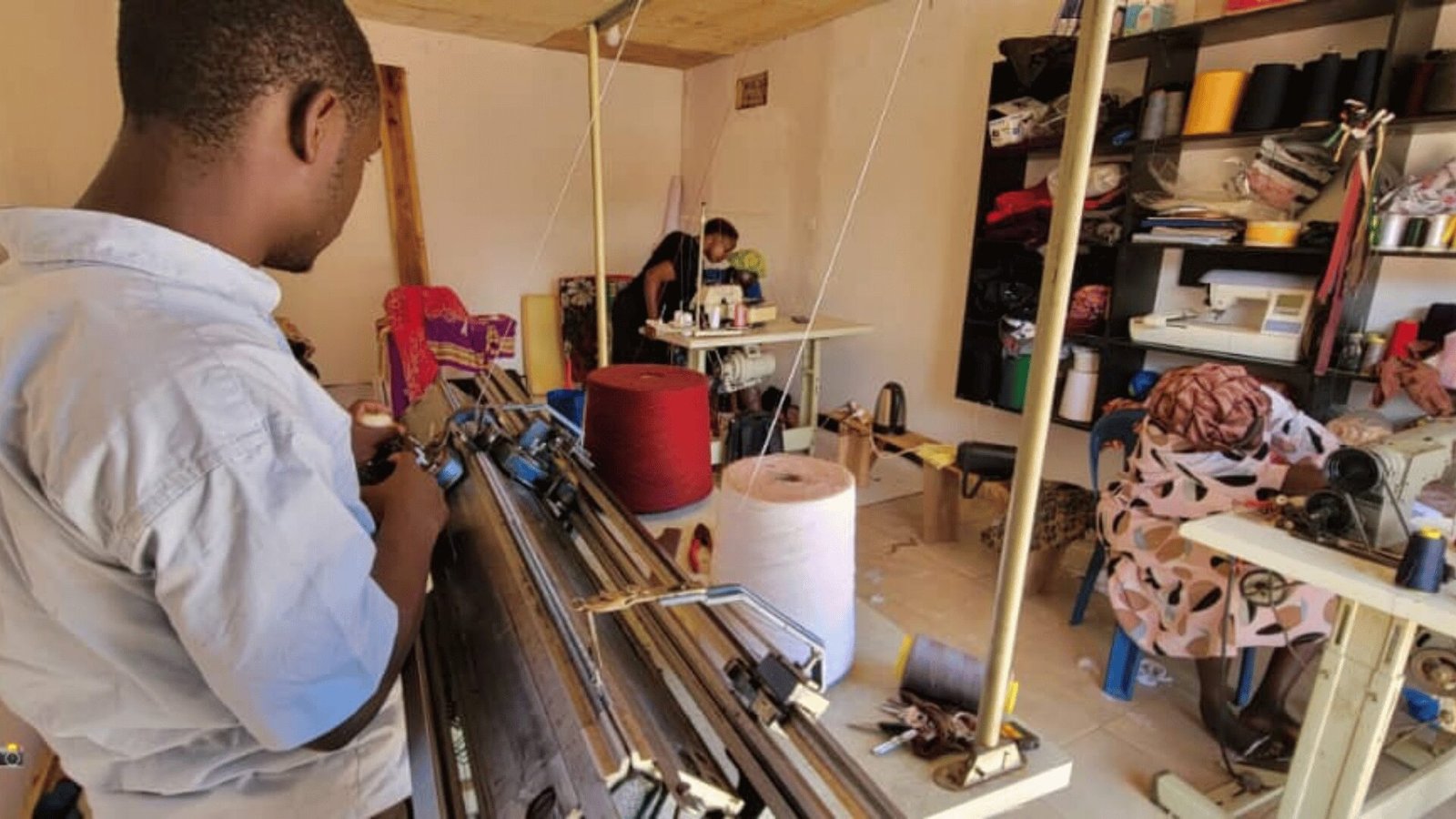
- Technical Skills: These are the specific skills required to produce a product or service. Examples include tailoring, carpentry, hairdressing, welding, computer programming, and agricultural techniques. Technical skills empower young people to create tangible value and meet market demands. Imagine mastering okutunga (tailoring), you can create unique designs and build a loyal customer base.
- Business Management Skills: These skills are crucial for managing and growing a business. They include financial literacy (budgeting, accounting, and investment), marketing and sales, customer service, inventory management, and human resource management. Understanding okubala sente (counting money) is fundamental to profitability and sustainability.
- Soft Skills: These interpersonal and communication skills are essential for building relationships with customers, suppliers, and employees. They include communication, teamwork, problem-solving, leadership, and time management. Being able to okwogera obulungi (speak well) and okukolagana (collaborate) is vital for success.

Acquiring these skills not only increases the likelihood of entrepreneurial success but also enhances employability in the formal sector. Skills training equips young people with the confidence and competence to pursue their dreams and contribute to Uganda’s economic development.
Practical Examples and Success Stories
Across Uganda, countless young people are using skills training to transform their lives through entrepreneurship. Here are a few inspiring examples:
- Agri-business Innovators: Young farmers are adopting modern agricultural techniques learned through training programs to increase crop yields and improve their livelihoods. They are using technology to access market information and connect with buyers, overcoming traditional barriers to entry.
- Tech-Savvy Entrepreneurs: Young Ugandans are leveraging digital skills to create innovative solutions in areas such as e-commerce, mobile banking, and online education. They are using social media to market their products and services, reaching a wider audience and building their brands.
- Creative Artisans: Young artisans are using traditional crafts and skills to create unique products for the local and international markets. They are incorporating modern designs and techniques to enhance the appeal of their products and attract customers. Imagine someone creating beautiful crafts and selling them online – mazima ddala, the possibilities are endless!
These success stories demonstrate the transformative power of skills training and entrepreneurship. They inspire other young people to take control of their destinies and create their opportunities. It’s about shifting the mindset from nze sirina (I have nothing) to nze nsobola (I can).

Challenges and Opportunities
Despite the immense potential, young entrepreneurs in Uganda face several challenges, including:
- Limited Access to Finance: Securing funding for start-ups and business expansion remains a major hurdle. Many young people lack the collateral and credit history required by traditional financial institutions.
- Lack of Mentorship and Support: Navigating the complexities of the business world can be daunting without guidance from experienced entrepreneurs. Mentorship programs and business incubators can provide valuable support and advice.
- Inadequate Infrastructure: Poor infrastructure, such as unreliable electricity and internet access, can hinder business operations and limit growth potential.
However, these challenges also present opportunities for innovation and collaboration. For example, the rise of mobile banking and digital payment systems is expanding access to financial services for young entrepreneurs. The growth of co-working spaces and business incubators is providing affordable workspace and support services. Moreover, the increasing focus on skills development and entrepreneurship in education is preparing young people for the challenges and opportunities of the future.
Conclusion: Investing in the Future
Entrepreneurship holds the key to unlocking the immense potential of Ugandan youth. By investing in skills training, providing access to finance and mentorship, and creating a supportive business environment, we can empower young people to become drivers of economic growth and social change.
Let’s move beyond mere survival and embrace a future where all young Ugandans have the opportunity to thrive (okukulaakulana) through entrepreneurship. It’s time to equip them with the skills and resources they need to koola sente (make money) and build a brighter future for themselves and their communities.