Equipping Mothers: Why Empowered Women Raise Empowered Children
In Uganda, as in many parts of the world, mothers are the bedrock of their families and communities. Their strength, resilience, and unwavering dedication are often the only things standing between their children and a life of poverty.
But what happens when these mothers are not empowered? When they lack access to education, healthcare, and economic opportunities? The answer, unfortunately, is a perpetuation of the cycle of poverty, impacting generations to come. This blog post explores why empowering mothers is crucial for breaking this cycle and fostering a brighter future for Ugandan children.
The Generational Impact of Empowerment
Empowering mothers is not just about improving their individual lives; it’s about transforming the lives of their children and future generations. When a woman has access to education, she is more likely to ensure her children, especially her daughters, receive an education as well. Educated mothers are better equipped to provide for their children’s nutritional needs, access healthcare services, and create a stimulating home environment conducive to learning. This head start significantly improves a child’s chances of success in school and life.
Furthermore, economically empowered mothers are less vulnerable to exploitation and abuse. They can provide for their families’ basic needs, reducing the risk of child labor, early marriage, and other harmful practices. A stable income also allows mothers to invest in their children’s future, such as paying for school fees, purchasing essential learning materials, or even starting a small business to secure their children’s long-term well-being.
Breaking the Cycle: Key Strategies for Uganda
Several key strategies can be implemented at the community and policy levels to empower mothers and break the cycle of poverty in Uganda:
Education & Skills Training:
- Literacy programs
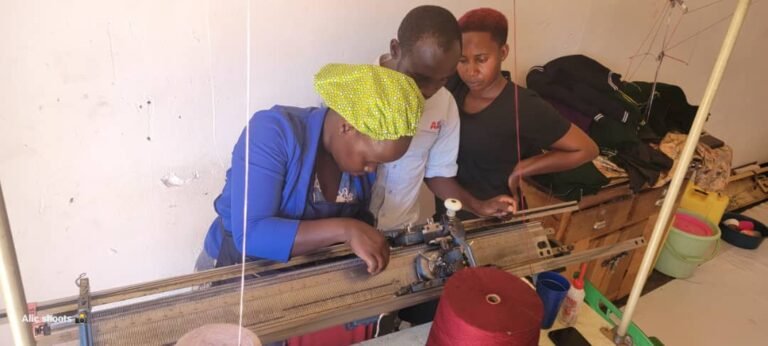
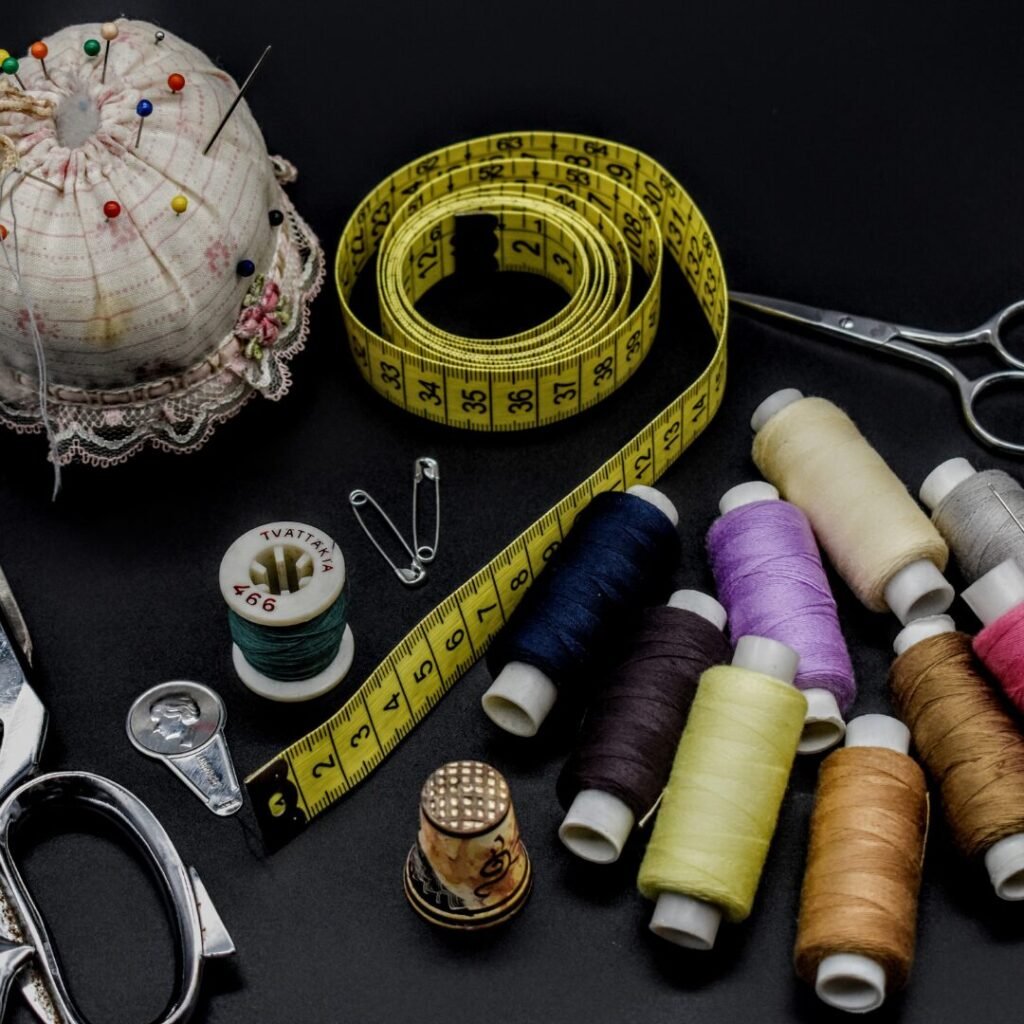
- Vocational training (tailoring, agriculture, crafts)
- Financial literacy workshops
Providing access to quality education and relevant skills training is paramount. Many women in rural Uganda lack basic literacy skills, hindering their ability to access information, manage finances, and participate fully in economic activities.
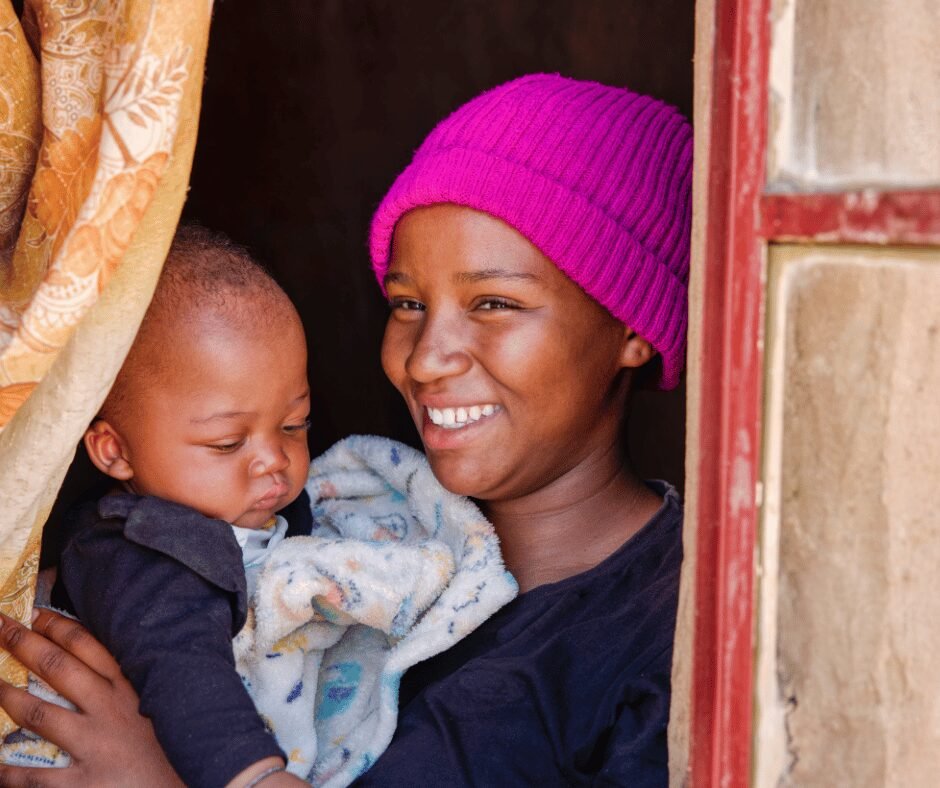
Tailored programs that address the specific needs of women, such as flexible class schedules and childcare support, are essential.
Healthcare Access:
- Improved maternal healthcare services
- Family planning education
- Nutrition programs
Access to quality healthcare is crucial for ensuring the well-being of mothers and their children. Improving maternal healthcare services, including prenatal care, safe delivery, and postnatal care, reduces maternal mortality rates and improves infant health outcomes. Family planning education empowers women to make informed choices about their reproductive health, allowing them to space births and provide better care for their children. Nutrition programs address malnutrition, which is a major contributor to child mortality and stunting in Uganda.
Economic Empowerment:
- Microfinance initiatives
- Support for women-owned businesses
- Access to land and resources
Economic empowerment is essential for enabling mothers to provide for their families and break free from the cycle of poverty. Microfinance initiatives provide women with access to small loans to start or expand their businesses. Supporting women-owned businesses through training, mentorship, and access to markets helps them to thrive. Addressing gender inequalities in land ownership and access to resources is also crucial, as it empowers women to control their livelihoods and assets
These strategies are interlinked and must be implemented in a holistic manner to achieve a sustainable impact. Community-based approaches, involving local leaders, NGOs like Joan Alinda Homes for the Vulnerable, and government agencies, are crucial for ensuring that programs are tailored to the specific needs and context of each community.
The Role of Policymakers and Communities
Policymakers have a critical role to play in creating an enabling environment for women’s empowerment. This includes enacting and enforcing laws that protect women’s rights, investing in education and healthcare, and promoting gender equality in economic opportunities. Policies should prioritize the needs of vulnerable women, such as those living in rural areas, single mothers, and women with disabilities.
Communities also have a vital role to play in challenging harmful social norms and promoting gender equality. This includes encouraging girls’ education, supporting women’s leadership, and addressing gender-based violence. Religious and cultural leaders can be powerful allies in promoting these changes.
Looking Ahead
Empowering mothers is not just a moral imperative; it is an economic and social necessity. By investing in women, we invest in the future of Uganda. When mothers are empowered, they are better equipped to raise healthy, educated, and productive children, breaking the cycle of poverty and building a more prosperous and equitable society for all. Let us all commit to supporting and empowering the mothers of Uganda, recognizing their immense potential to transform our nation.