
5 Growth Hacks for Youth Entrepreneurs in Rural Communities
Rural Uganda pulses with entrepreneurial energy. With the highest entrepreneurship rate in the world at 28%, Ugandan youth are eager to build businesses that transform their communities. Yet, challenges like limited market access, scarce capital, and underdeveloped infrastructure can make the journey daunting.
Our mission at Joan Alinda Homes for the Vulnerable is to empower the next generation of rural entrepreneurs with actionable strategies tailored to their unique environment.

1. Start with What You Have
Resourcefulness is the hallmark of successful rural entrepreneurship. Many Ugandan youth launch ventures using what’s readily available, whether it’s backyard cassava, banana fibers, or a few chickens. We have heard of inspiring stories of people who began by selling cassava to fund a school, demonstrating how humble beginnings can lead to lasting impact. Identify local strengths: crafts from banana fibers, poultry farming, or roadside produce stalls. Focus on low-cost, scalable ideas that can grow organically as demand increases.
Action Steps:
- Inventory available resources land, skills, family labor, or local materials.
- Start small to minimize risk and learn the market.
- Reinvest profits to expand gradually.
2. Learn by Teaching
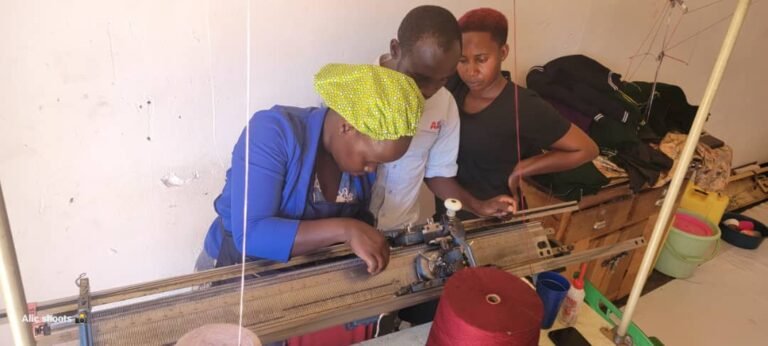
Teaching is a powerful way to deepen expertise and build a reputation. If you’ve acquired a skill, such as tailoring, carpentry, or soap-making, share it with peers or younger community members.
This peer-to-peer approach not only reinforces your own knowledge but also creates a network of skilled collaborators and potential customers. Research shows that communities thrive when knowledge circulates locally.
Action Steps:
- Organize informal workshops or mentorship circles.
- Document and share your learning journey on community notice boards or WhatsApp groups.
- Encourage others to teach what they know, creating a culture of continuous learning.
3. Tap into Mobile and Digital Tools
Digital connectivity is transforming rural business landscapes. With expanding fiber networks and affordable smartphones, Ugandan youth can access new markets and resources.
Use WhatsApp groups to advertise products or experiment with e-commerce. Digital tools are not a luxury; they are essential for growth.
Action Steps:
- Create a WhatsApp business profile to showcase products and receive orders.
- Participate in online training sessions and webinars.
- Explore digital payment solutions like mobile money to streamline transactions.

4. Use Cooperative Power
Pooling resources through Village Savings and Loan Associations or cooperatives can break financial barriers. These community-based groups enable members to save together, access small loans, and invest collectively in business ventures.
Studies confirm that entrepreneurship ecosystems flourish when communities collaborate.
Action Steps:
- Join or form a local VSLA or cooperative.
- Share business ideas and pool funds for joint ventures.
- Rotate leadership roles to build management skills across the group.
5. Adapt, Don’t Imitate
Urban business models often fail in rural settings due to different realities. Instead, adapt strategies to fit local needs, such as mobile-based microloans designed for areas with limited infrastructure. Build solutions that reflect rural life, leveraging local knowledge and conditions.
Action Steps:
- Analyze what works in your community and why.
- Modify existing business ideas to suit local preferences and constraints.
- Stay open to innovation, but ground every decision in the realities of rural Uganda.
Final Thoughts
Youth entrepreneurship in rural Uganda is not just about hard work; it’s about working smart, leveraging community, and embracing innovation.
These growth hacks provide a roadmap for building resilient, sustainable businesses that uplift individuals and entire communities. Starting small with vision and determination can lead to transformative change.